

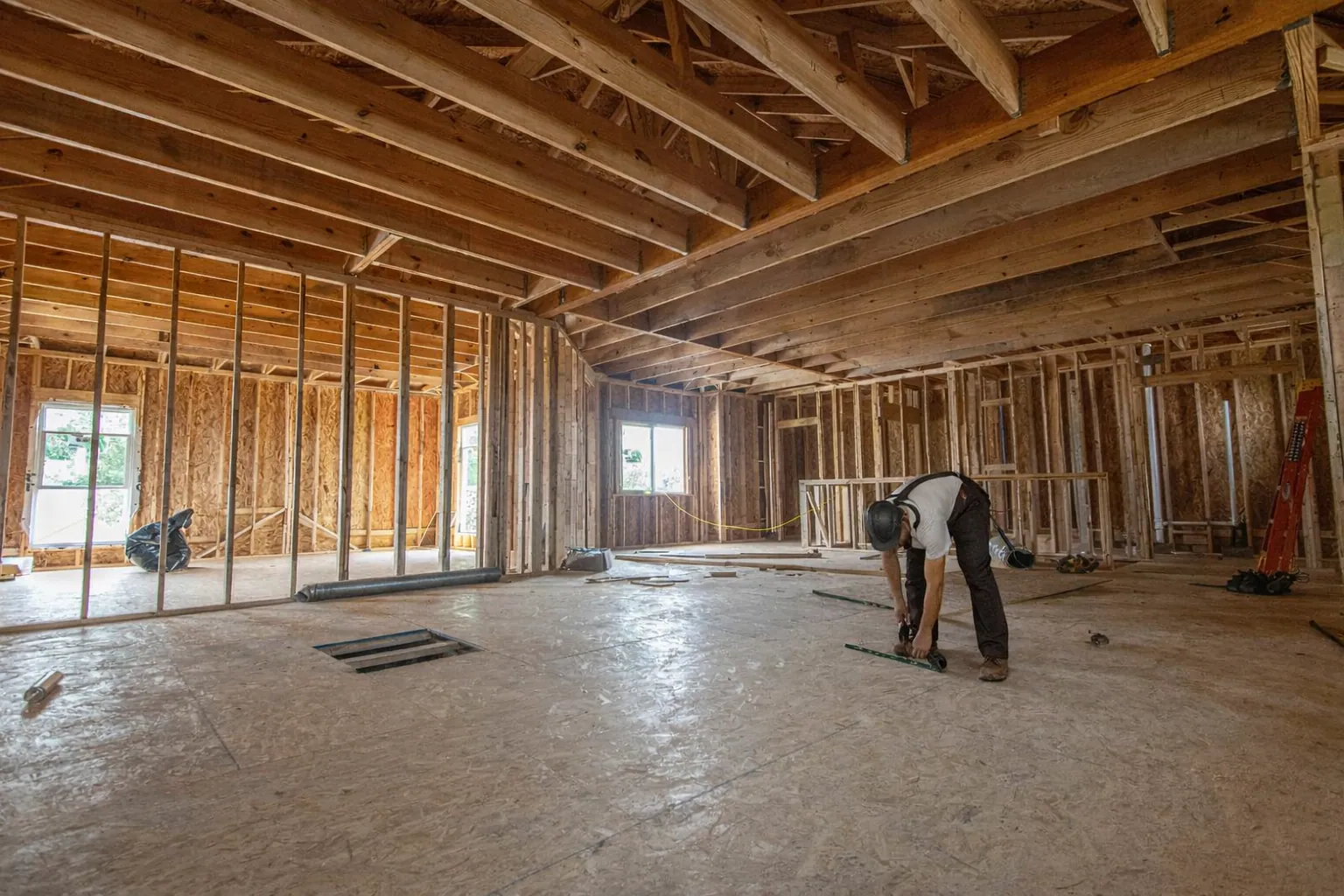
Basement apartments
Turning an underused basement into a legal suite, with the structural, fire separation, and egress work done to code.
ADUs & Additions
Basement apartments, garden suites, garage conversions, and additions across Burlington, Oakville, and Mississauga. We run the feasibility review, the design, the permits, and the build, then hand over a unit that is legal, livable, and ready to rent or move into.
Every level of government uses a different term, which makes the whole thing sound more complicated than it is. Here is the plain version.
The common industry term for a self-contained second unit on a residential property, with its own entrance, kitchen, bathroom, and sleeping area.
The phrase Ontario uses in its planning legislation, especially after Bill 23 widened what is allowed across the province.
The everyday term most homeowners reach for. It means the same thing as an ADU.
A detached unit in the backyard, on its own foundation and services, separate from the main house.
From a basement conversion to a detached backyard home, most properties have at least one workable option. Smaller room extensions and sunrooms fall under the same roof.
Turning an underused basement into a legal suite, with the structural, fire separation, and egress work done to code.
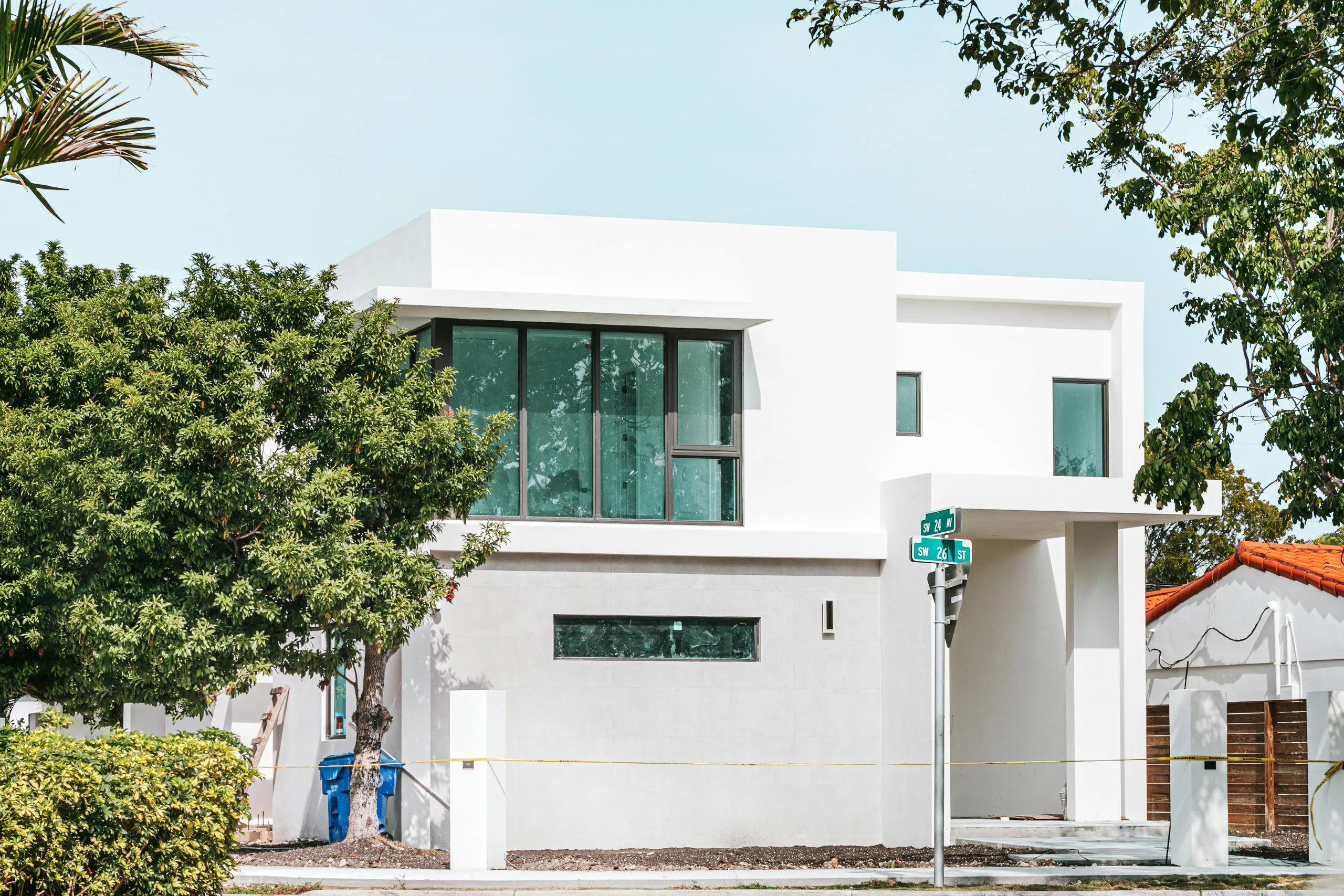
A detached backyard home on its own foundation and services, now permitted in many residential zones under recent provincial changes. We confirm what your lot allows before anything is promised.
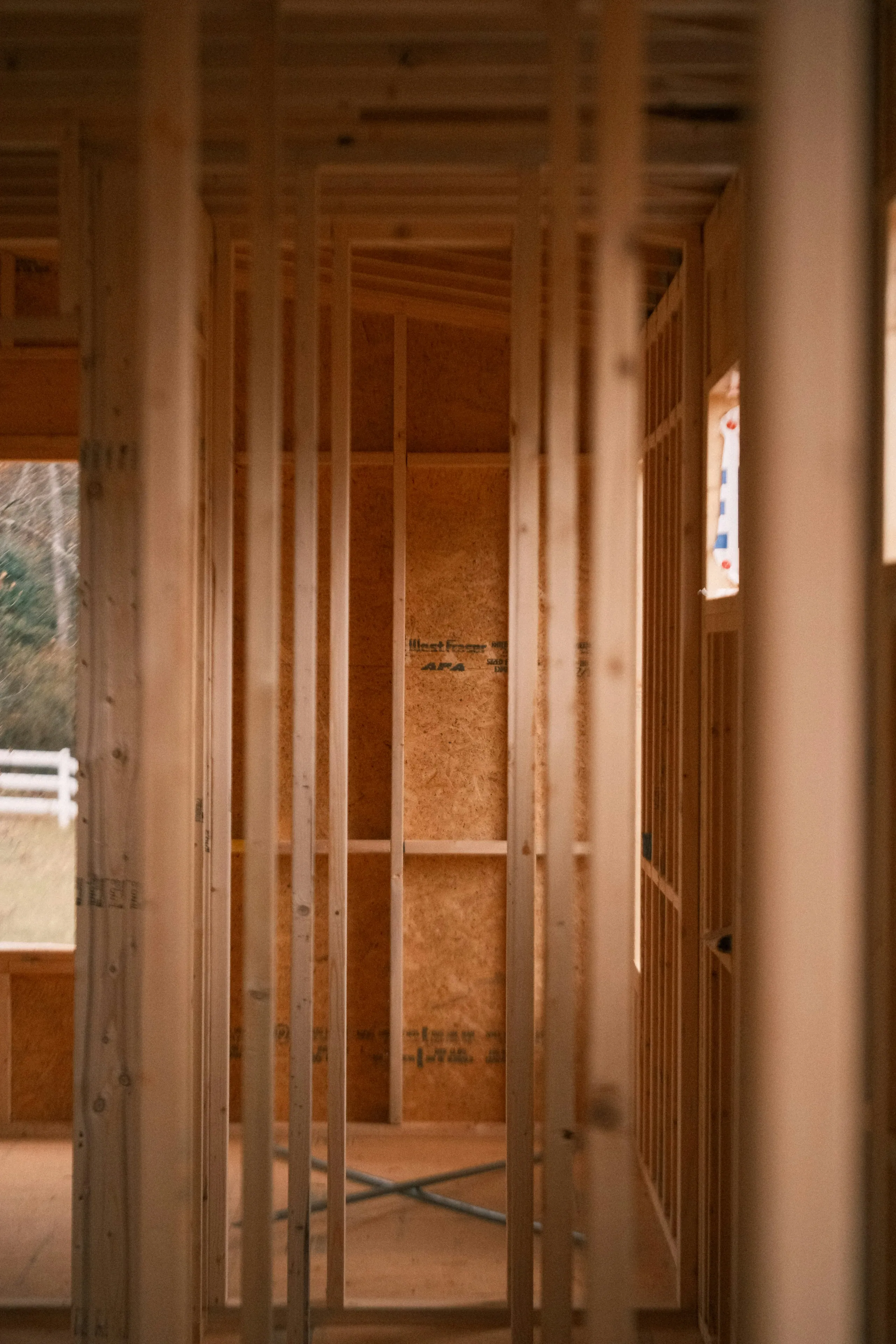
Turning a detached garage into a livable suite, working within the existing footprint and upgrading what needs it.
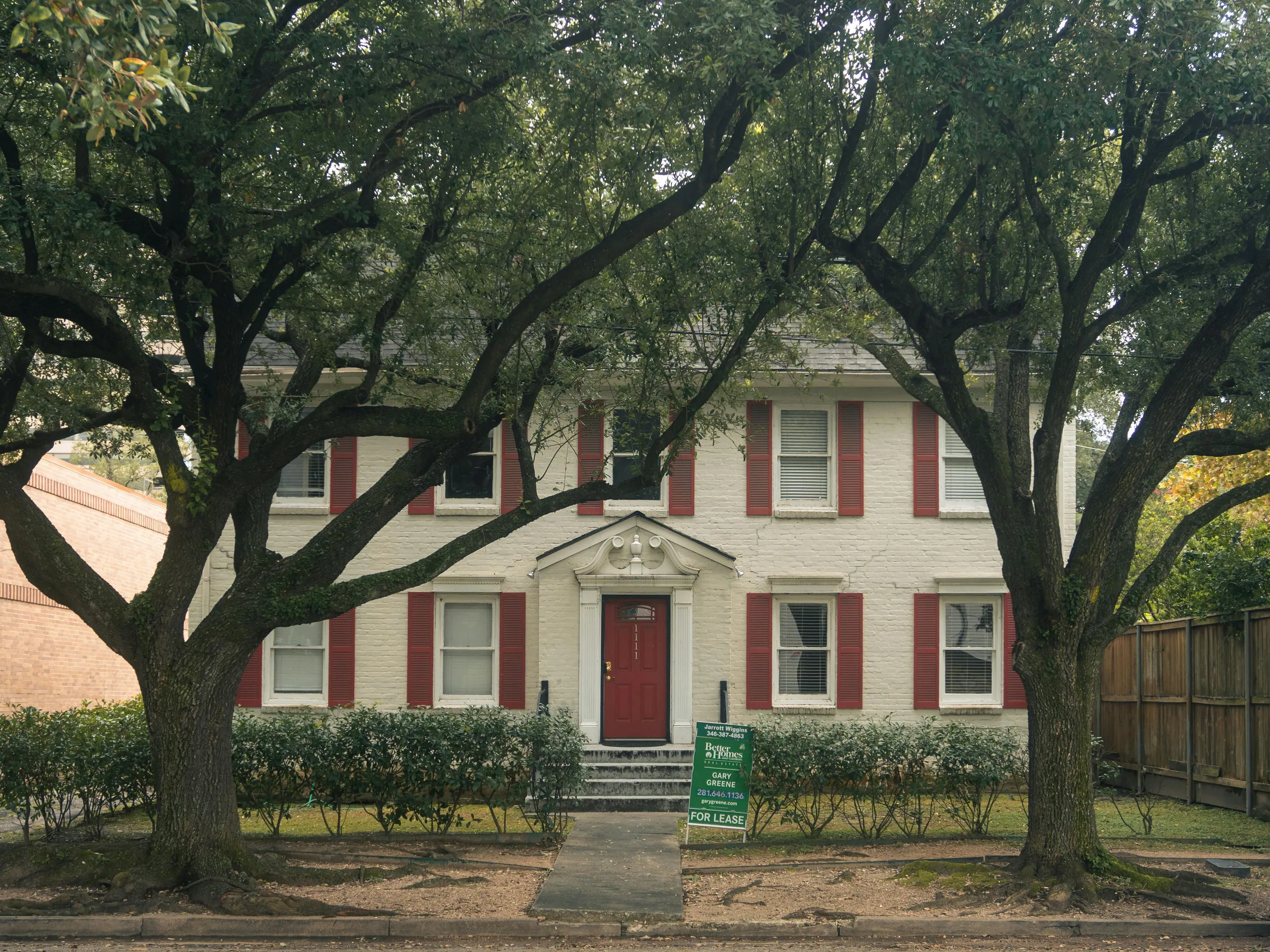
Expanding your home's footprint and building in a secondary unit as one integrated project.
The reasons usually come down to one of four things. Rental income is the most common: a well-built legal suite in the Halton and Peel market commands steady monthly rent, which can offset the cost of the build over a few years and keep returning after that.
Family is the next. An aging parent who wants to stay close with their own space, an adult child who is not ready to buy, or a relative with accessibility needs. A suite handles that without everyone sharing one kitchen.
Then there is value. A legal, permitted unit adds to what your property is worth, while an unpermitted one does the opposite and complicates any future sale. The fourth reason is the simplest: a basement or garage full of boxes is space you already paid for.
Recent provincial changes under Bill 23 opened the door for many residential properties in Burlington, Oakville, and Mississauga to add up to three units without a zoning amendment. We don't take that as given for your property, though. Whether it applies to your lot, and which type of unit suits it, comes down to a handful of details we check and verify with the city before you commit to anything.
Lot size and configuration. Garden suites need a minimum lot area and room for setbacks, so a narrow or small lot may rule them out.
Existing structures. The state of your basement, garage, or home shapes what makes sense to build.
Servicing and parking. The unit needs municipal water and sewer, and each city treats parking requirements a little differently.
The honest answer is that the only way to know for certain is to look at your property, which is exactly what the free feasibility call is for.
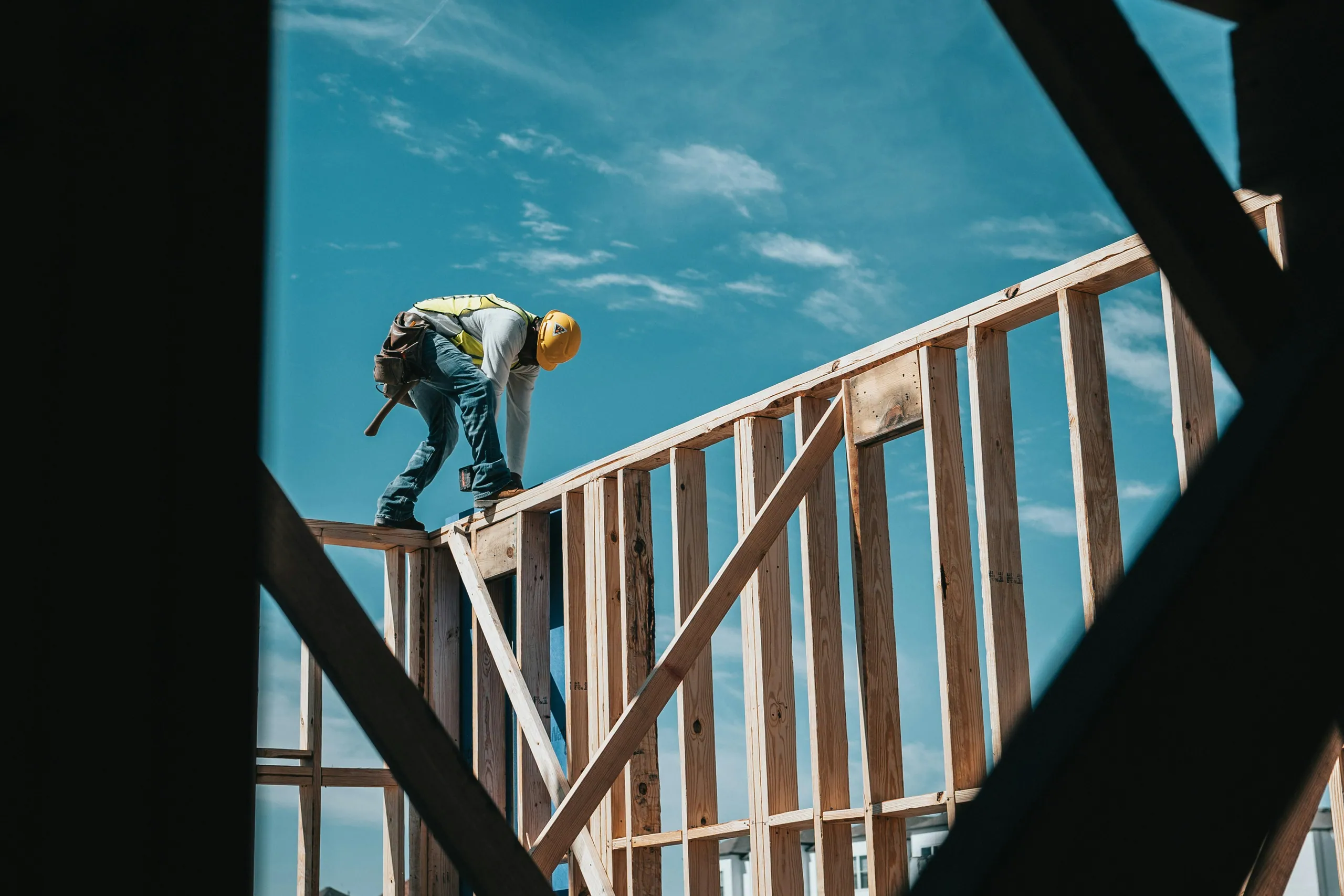
One team, one timeline, one point of contact, from the first feasibility conversation to the day you hand a tenant the key.
We look at your property, your goals, and your budget, then tell you which types of suite are possible on your lot, which are not, and why. No commitment required.
Estimated duration: FreeWe develop the layout, the finishes, and the technical drawings the permit application needs. You review and approve before anything is submitted.
Estimated duration: WeeksWe prepare the full permit package and manage the application with the city, including any zoning review the project calls for.
Estimated duration: 1–3 MonthsOne team builds it: structure, plumbing, electrical, fire separation, insulation, and finishing for a basement; site work, foundation, and utility connections for a garden suite. We coordinate every municipal inspection as the build progresses.
Estimated duration: By typeWe walk the finished unit with you and confirm it meets the agreed scope, has passed its final inspection, and is legally occupiable. Then we stay available for maintenance and warranty afterward.
Estimated duration: OngoingWe design and build secondary suites across the Halton and Peel regions.
They describe the same thing: a self-contained living space on an existing residential property. ADU is the common industry term, ARU is the term in Ontario legislation, and secondary suite is the everyday phrase. A garden suite is a specific type that is detached and built in the backyard.
Following Ontario’s Bill 23, many residential properties in these cities may now qualify for at least one type of suite. We don’t assume it, though. Eligibility still depends on lot size, existing structures, parking, and servicing, so we check and verify what your specific property allows with the city before any work begins. A free feasibility review gives you a straight answer.
Yes. Every ADU and secondary suite needs a building permit. The process involves architectural drawings, compliance with the Ontario Building Code, and municipal inspections. We handle all of it as part of the project.
Cost depends on the type of suite, the size, existing conditions, and finish. A basement conversion, a detached garden suite, and a garage conversion each carry a different range. We give you a detailed estimate after the feasibility review and design, before any commitment.
Quite a bit. It widened the as-of-right permissions so many Ontario properties can add up to three units without a zoning amendment, and it changed how development charges apply to qualifying garden suites. The exact rules and any savings vary by municipality and by property, so we confirm what actually applies to your project with the city rather than assume it, and that verification is part of the free feasibility review.
A basement conversion usually takes 3 to 5 months including permits, and a garden suite 6 to 10 months. Permit approval is often the longest part and varies by city. We give you a realistic schedule at the proposal stage.
Yes, as long as the unit is permitted and meets the Ontario Building Code and local bylaws. An unpermitted unit cannot be legally rented and carries real liability. Every unit we build is fully permitted and legal at completion.
Each type charges you in something you already own and has to prove something different before a permit issues. That, not a ranking, decides it.
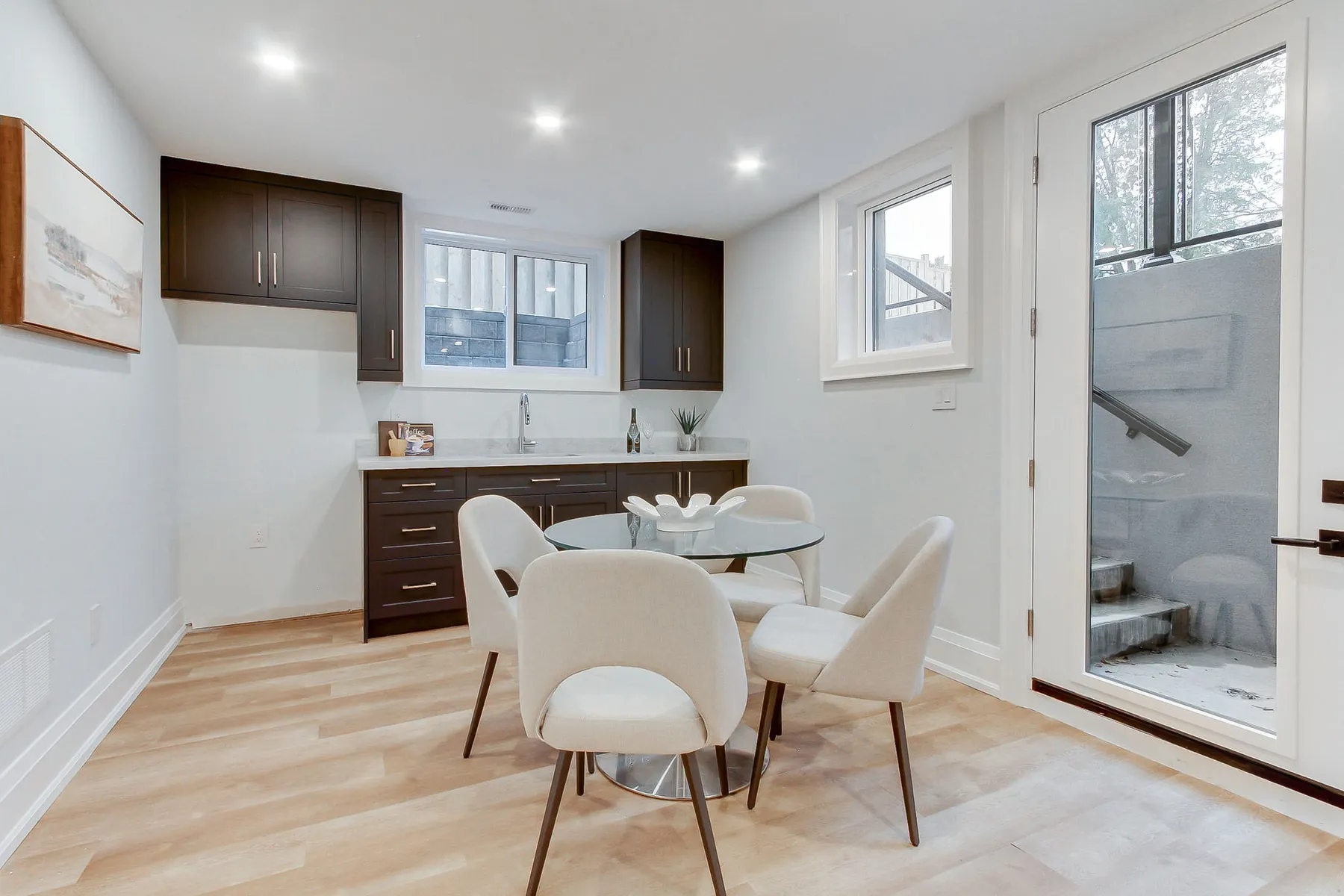
There is no single ADU price in Ontario. Detached garden suites in the GTHA were reported at $200,000 to $350,000 (2025); converting existing space costs less.
Mississauga allows up to two additional units per property, three total with the house. Sizes and setbacks depend on your zone, so confirm with the City first.